

Doris Payne jewel thief, active over six decades…
Some shoplifting cases explode because of the dollar amount. This one landed because of the timeline. A woman in her 80s, a reputation built over decades, and a late career run of arrests that turned routine retail theft into a rolling true crime headline. In the Atlanta area, LP and the police had to question, is she really back?
By 2016, Doris Payne’s name already carried a mythic aura. Often framed as a globe trotting jewel thief who relied less on force and more on charm, distraction, and audacity. Then came the modern retail security version of the tale: surveillance video, mall police response, plea negotiations, and the ultimate LP trump card when a person keeps coming back, formal bans from stores and malls.
The late career cases that made it a series
December 2016: the necklace attempt at a department store jewelry counter.
Authorities said Payne was arrested after allegedly pocketing a roughly $2,000 necklace from the jewelry department at a Von Maur inside Perimeter Mall. The sheer familiarity of the alleged method, counter interaction, close range distraction, concealment, felt like an old school playbook colliding with modern cameras and case building.
March 2017: plea plus the security consequence that matters most to retailers.
A plea agreement in DeKalb County didn’t just involve supervision; it reportedly included a ban from all Von Maur stores and from DeKalb County malls. A direct attempt to remove opportunity, not just punish after the fact.
July to October 2017: another retail theft case while already under restrictions.
Reports later described Payne taking a plea deal related to an alleged shoplifting incident at a Walmart while she was already under court ordered conditions connected to the earlier case, fueling the public narrative that she can’t stop, and reinforcing why trespass bans and strict no entry orders are used in persistent retail theft situations.
Timeline
Dec 2016 → Arrest after alleged attempt to take a ~$2,000 necklace at a jewelry counter → The “legend returns” headlines start again.
Mar 2017 → Plea agreement → Banned from all Von Maur stores + DeKalb County malls (trespass-style restrictions).
Jul 2017 → Another alleged retail theft incident (Walmart) → The story shifts from “famous thief” to “serial opportunity problem.”
Oct 2017 → Plea deal reported in the Walmart case → Court conditions + bans become the headline detail.
Cast of Characters (the retail security version)
The jewelry counter — A high trust micro environment: close contact, high value, frequent handling. Perfect for distraction based concealment if procedures slip.
Mall / store LP + responding officers — The quiet engine of the case: observation, stop protocol, statement writing, and video preservation that turns suspected into chargeable.
The court / plea terms — Where retail theft becomes risk management: probation, monitoring, and, most important for retailers, no entry bans that reduce repeat opportunity.
Netflix + the documentary lens — Public fascination was amplified by documentary coverage (and the wider “legend” framing), which turned a retail theft pattern into an ongoing true crime narrative.
Why it’s famous and why retailers paid attention
1) Longevity turns incident into myth
Most shoplifting stories are local and short-lived. Payne’s wasn’t. Coverage repeatedly emphasized a career spanning decades, so every new arrest read like a sequel, not a one off.
2) It showcases the oldest trick in the book, and the modern counters
Jewelry theft at counters often isn’t about smash and grab. It’s about interaction: getting items into hands, creating a moment of confusion, and letting concealment happen in plain sight. Modern retail security responds with boring (but effective) fundamentals:
Handling control: one item out at a time; keep pieces secured or tethered when possible; return to case discipline.
Behavioral red flags (without profiling): unusual urgency, repeated handling requests, “Can I see that one too?” stacking, and body positioning that blocks sightlines.
Camera + documentation: the backbone for prosecution and plea leverage, especially when the theft itself is subtle.
This is the kind of case that reminds retailers: the “nice elderly customer” can still be a skilled repeat offender, so policy must be consistent.
3) The real headline for LP: bans, not just jail time
Retailers know a hard truth: some offenders are persistent. When that happens, the most practical tool isn’t a dramatic arrest, it’s a formal trespass / no-entry ban, shared across properties where legally allowed, and enforced consistently.
In Payne’s case, news coverage and the DeKalb DA’s own statement highlighted bans from specific stores and malls as part of outcomes. An unusually concrete retail safety consequence that the public can understand.
The retail security takeaway and what this case teaches us
High service environments need high control routines. Jewelry counters should operate like controlled access zones, even while feeling welcoming.
Repeat offenders aren’t stopped by vibes, only friction. Consistent procedures, quick reporting, and clean evidence packaging matter more than confrontation.
Bans are a prevention tool, not an insult. When a person repeatedly targets retail, no entry orders reduce opportunity and protect staff from repeated incidents.
Documentary note
The story’s cultural staying power was reinforced by documentary coverage, including The Life and Crimes of Doris Payne, which helped cement the “Diamond Doris” framing and kept the narrative alive beyond any single case.
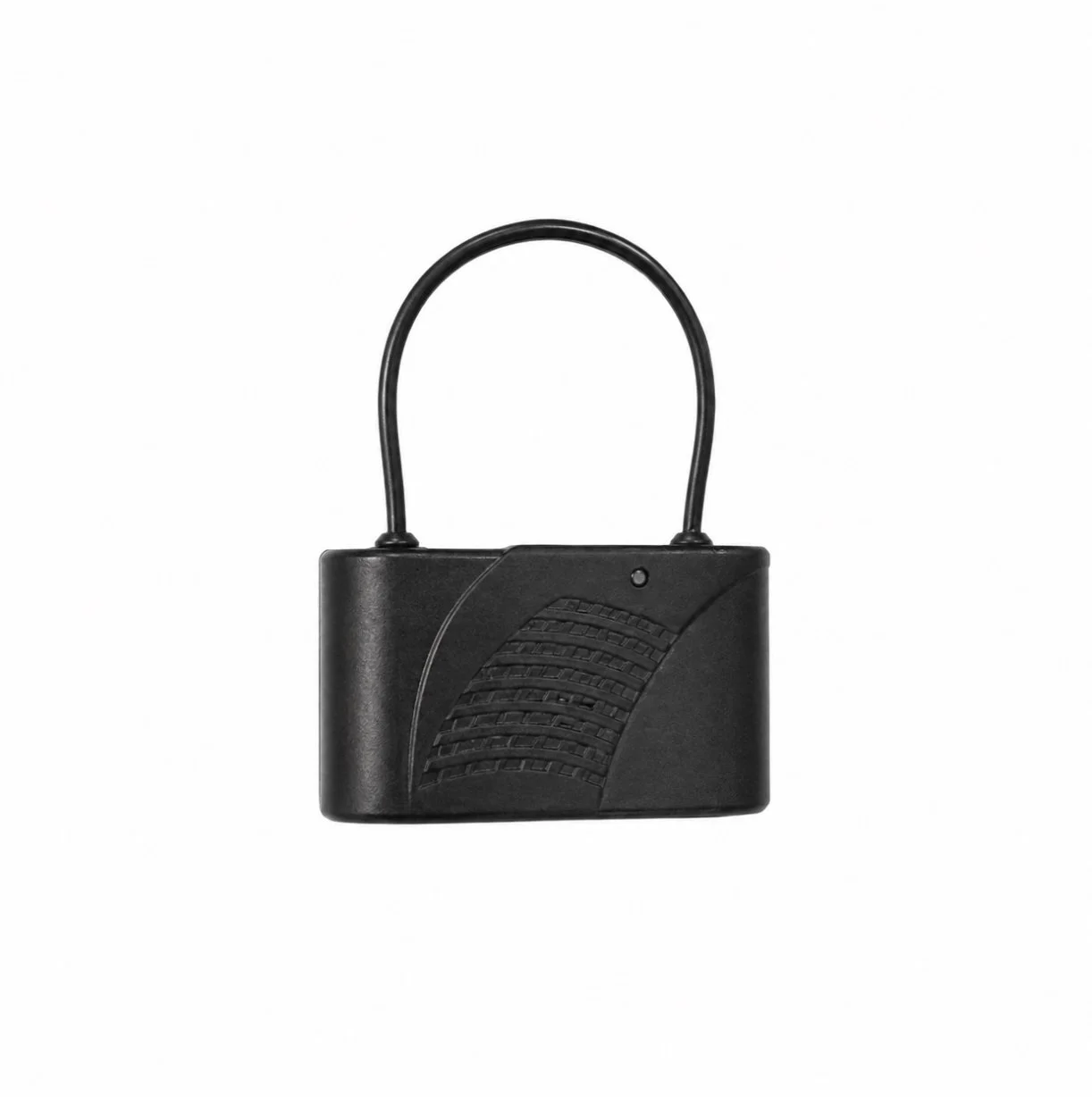
Protect high theft merchandise with these 2 alarm AM security tags featuring a durable 4" lanyard for fast, flexible attachment. Built on 58KHz AM technology, these tags are ideal for retailers who want strong deterrence on accessories and other grab and go items without slowing down the sales floor. Designed to integrate seamlessly with AM/Sensormatic style systems, they deliver reliable alarming performance while keeping your product presentation clean and professional. Requires Superlock detacher.
Key Features
Dual-Alarm Protection: 2 alarm design adds an extra layer of deterrence for high risk items.
AM Technology (58KHz): Dependable detection and performance on AM systems.
4" Lanyard Included: Quick, secure attachment for accessories and hard to tag products.
Versatile Use Cases: Great for handbags, belts, shoes, luggage, apparel, and accessories.
Retail Ready & Durable: Built for day to day store use and repeated handling.
Convenient Pack Size:Box of 25, perfect for smaller rollouts, new stores, or replenishment orders.
Requires Superlock detacher.
Quantity: Box of 25 tags (each with attached 4" lanyard)
Product Code: TAG2405 Magnetic Mini 2 Alarm Lanyard AM SL 4" - New(25 Pack)