

Anyone could be the next shoplifter…
If you’ve been in retail long enough, you’ve learned a frustrating truth: there is no reliable “profile” for a shoplifter.The person slipping merchandise past a register might be a teenager… or a well known adult with a respected job title.
Two recent news stories underscore this reality:
In Virginia, a Pittsylvania County supervisor was charged with shoplifting after video allegedly showed him taking kratom products from a gas station; the report notes the charge and upcoming court date, and that county leadership declined to comment publicly at a meeting.
In Georgia, a veteran educator and elementary school assistant principal was placed on administrative leave after warrants alleged nearly $1,000 in Walmart self-checkout thefts using a “stacking” method, with investigators citing surveillance and vehicle records.
These aren’t posted to shame anyone, both cases are reported as allegations or charges and must play out through due process. They are useful, however, as a clear reminder to retailers:
You can’t deter what you’re trying to “guess.” You deter what you consistently defend.
The Takeaway: Theft Prevention Can’t Depend on “Vibes”
When theft prevention depends on intuition, “that person looks suspicious,” “this customer seems fine,” “they’re a professional, they wouldn’t do that” you create gaps. And gaps get exploited.
Modern shrink is opportunistic. It thrives on:
busy periods and distracted associates
self-checkout weaknesses
inconsistent tagging
low perceived risk of getting caught
The fix isn’t profiling. The fix is predictable deterrence.
Why EAS Tagging Works: It’s a Numbers Game
Deterrence is about changing the math for the would be thief:
More effort required to remove/defeat protection
Higher chance of attention (alarms, staff engagement, cameras, witnesses)
Lower reward (damaged item, slowed exit, increased detection)
You won’t stop every theft. But if your EAS program discourages even a portion of attempts, you win—because shrink is cumulative.
That’s the “numbers game”: deter as many as possible, as consistently as possible.
Why Ink Tags Are Especially Powerful Deterrents
Ink tags are unique because they deter in two ways:
They’re highly visible. A would be thief sees the tag immediately and understands: this item is protected.
They threaten the resale value. Even people who don’t fear alarms often fear ruining merchandise with ink, especially on apparel.
In plain terms: ink tags raise perceived risk and reduce perceived payoff. That’s exactly what deterrence is supposed to do.
Where Retailers Go Wrong With EAS (And How to Fix It)
1) Inconsistent tagging
If only some items are protected, repeat offenders learn your patterns fast.
Fix: Define clear tagging rules by department/SKU and stick to them.
2) “Invisible” protection
If the tag isn’t obvious (or isn’t used), you lose deterrence before the thief even reaches the door.
Fix: Use high visibility hard tags and ink tags where appropriate, plus signage.
3) Self-checkout exposure
Many retailers now see self-checkout as a top shrink driver because it’s easy to exploit when stores are understaffed. (The Georgia case referenced a “stacking” method at self-checkout.)
Fix: Tag more aggressively in SCO heavy environments, and train SCO hosts to engage customers proactively.
4) Poor alarm response
If alarms ring and nothing happens, offenders quickly stop caring.
Fix: Create a simple, consistent alarm response script (greet, offer help, verify receipt process).
A Practical Deterrence Playbook (Simple, Effective, Repeatable)
If you want a clean starting point:
Tag high theft categories by default (apparel, outerwear, premium basics, small boxed goods, health/beauty, accessories)
Use ink tags on apparel where visible deterrence matters most
Ensure detachers are placed for speed at checkout (so tags don’t get skipped “because lines”)
Add signage at entrances/exits and in departments (“Protected by EAS”)
Audit weekly: tag compliance, alarm rate, response consistency
Treat EAS as part of a system: cameras + associate presence + store layout + SCO controls
Bottom Line
These stories are a reminder that shoplifters don’t fit a stereotype, and that’s exactly why your prevention strategy can’t rely on one.
Deterrence wins by being consistent, visible, and boringly predictable.
And when it comes to visible deterrence, EAS security tags, especially ink tags, do a lot of heavy lifting.
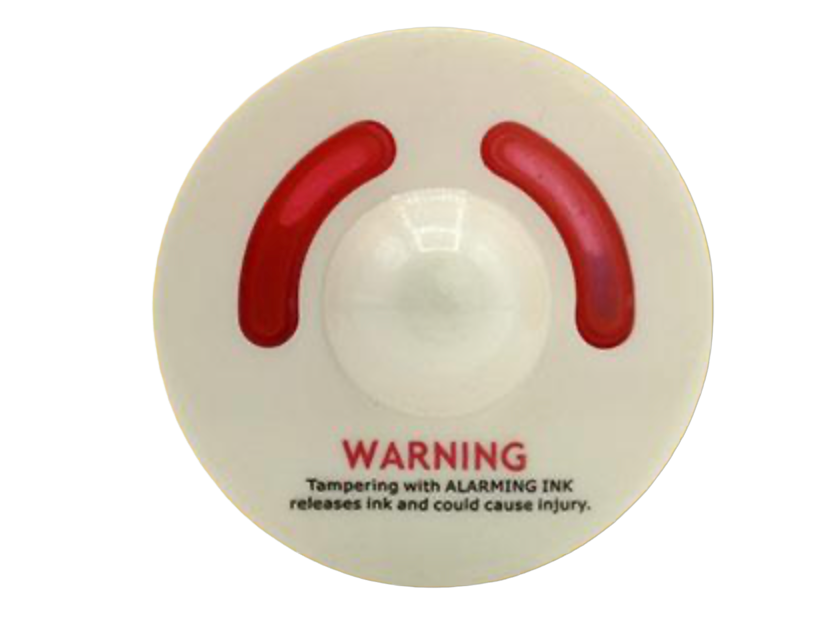
Deter shoplifting before it starts with the Hawkeye ink tag, an industry standard benefit denial tag sold new with pins included. Built on 58KHz AM technology, it works with all Sensormatic AM detection systems. If tampered with, the tag may release ink that can render a garment unwearable, which greatly reduces inventory loss related to shoplifting.
Key Features
AM technology: 58KHz frequency works with all Sensormatic AM systems.
Benefit denial: May release ink if tampered with, rendering garments unwearable and deterring theft.
Pins included: Every box ships with matching cone head pins.
Condition: Brand new stock.
Bulk pack: 500 tags per box for high volume tagging.
Quantity: Sold in boxes of 500 ink tags with 500 cone head pins included.
Product Code: TAG3003-AG Hawkeye Ink Tag, AM, New
https://www.fox5atlanta.com/news/courtney-janell-shaw-assistant-principal-shoplifting-arrest