
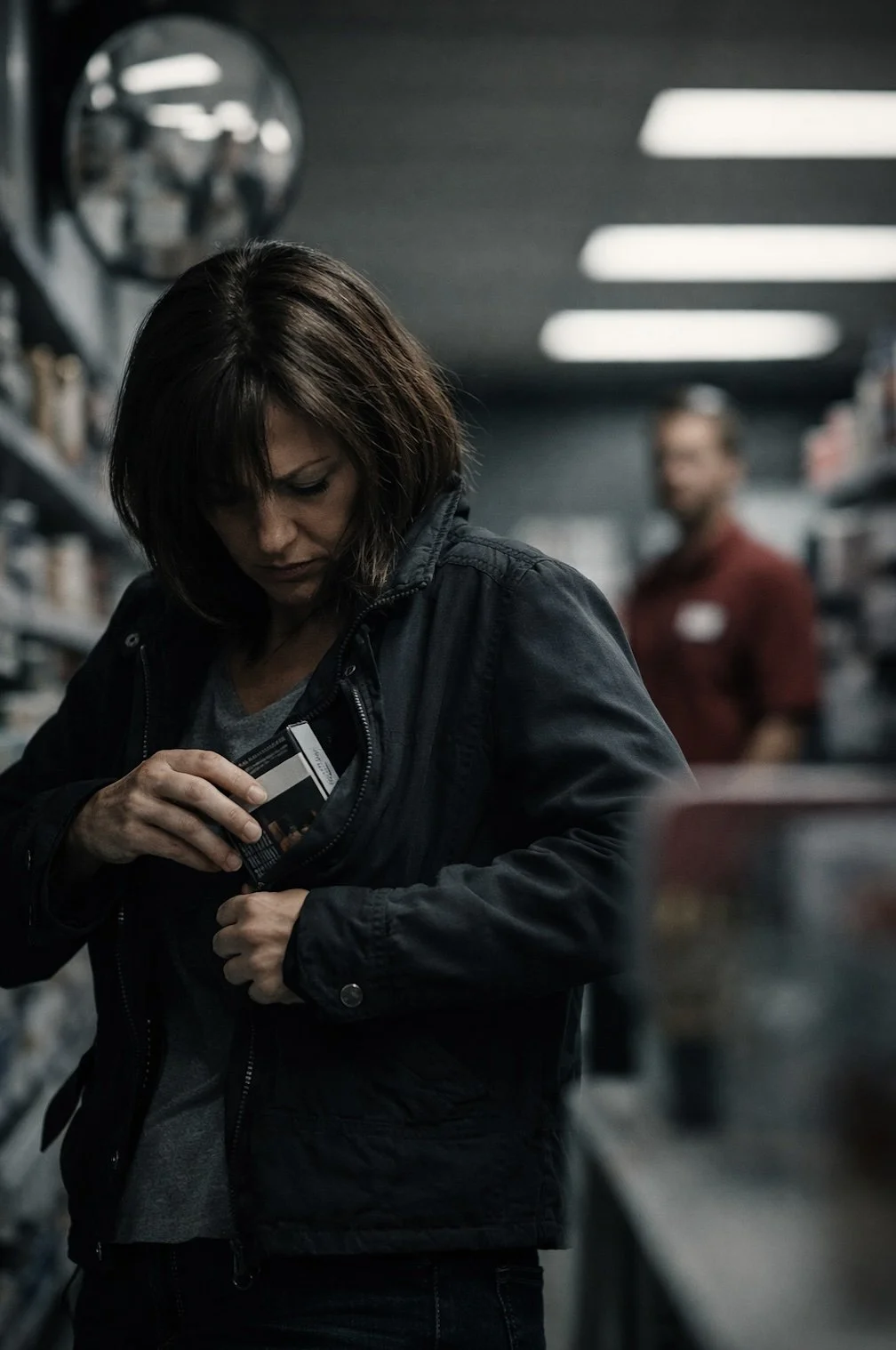
There’s a certain kind of repeat shoplifter who doesn’t behave like the “usual suspect.”
They don’t always look rushed. They don’t always take the most expensive item. Sometimes they return to the same store, same aisle, same day of the week, like they’re following a script only they can hear.
And that’s the point: for some repeat offenders, shoplifting isn’t primarily about the product. It’s about the moment.
Research on repeated shoplifting and kleptomania (compulsive stealing) suggests a subset of chronic offenders are driven by a powerful internal loop, an urge they struggle to resist, more than a rational cost/benefit calculation.
1) The “urge, relief, shame” loop: the engine that keeps it going
In clinical samples of kleptomania, many patients describe:
triggers that spark an urge to steal,
repeated episodes over years,
and intense shame or guilt afterward, yet the behavior continues.
That combination, “I hate that I do this” paired with “I can’t stop”, is one reason compulsive shoplifting can feel eerie to store teams. Your staff may sense it: this person isn’t simply “shopping with sticky fingers.” They’re acting out a cycle.
Retail translation: consequences and confrontation can help, but for this subgroup, deterrence works best when it breaks the routine and interrupts the loop, not just when it “punishes the act.”
2) “Serial shoplifters” aren’t one type, why that matters operationally
One of the most useful studies for retail reality built a typology of repeated shoplifters (six clusters), including Impulsive, Depressed, and Addictive Compulsive patterns.
That’s huge for owners and managers because the same weekly repeat behavior can come from different psychological drivers:
impulsive pattern: low inhibition, acts fast, often opportunistic.
Depressed negative affect pattern: stealing episodes linked to mood, emptiness, or stress.
Addictive Compulsive pattern: ritualized, urge driven, hard to resist.
Retail translation: if you treat every repeat shoplifter the same way, you’ll feel like your playbook “works sometimes and fails sometimes”, because you’re dealing with different types.
3) Why the same person hits the same store weekly
If you’ve ever thought, “Why would they come back here after getting caught on camera?”, this is where the psychology gets interesting.
Compulsive patterns often attach to cues:
a familiar floor plan,
a predictable rush/lull time,
a known blind spot,
the exact section where the urge “peaks.”
When an internal urge meets a familiar environment, the store becomes part of the ritual. (That’s why some rotate stores, and some cling to one.)
Retail translation: small changes to routine can matter more than you’d think:
vary floor coverage patterns,
adjust endcap placement,
change how high risk items are faced,
rotate staff presence in the same “hot” zones.
You’re not just guarding merchandise, you’re disrupting a learned sequence.
4) Comorbidity is common, meaning you may be seeing a bigger picture
Nationally representative U.S. data show shoplifting correlates strongly with a range of psychiatric disorders and other antisocial behaviors.
And in clinical kleptomania samples, high rates of other psychiatric diagnoses are also reported.
Retail translation: this is not a call for sympathy at the expense of safety, just clarity. Some chronic offenders aren’t responding to normal deterrents because their behavior is tied to deeper dysfunction, not simple rational choice.
Your policy should stay firm. Your expectations should stay realistic.
5) The best “proof” of the underlying mechanism: what reduces the urges
Treatment studies are revealing because they hint at what’s driving the behavior.
A double blind, placebo controlled trial found naltrexone reduced kleptomania symptoms, suggesting reward/urge circuitry can be involved for some compulsive stealers.
An open trial of CBT group therapy combined with mindfulness reported improvements in kleptomania symptoms and quality of life and pointed to mechanisms like distress tolerance and changes in reward perception.
Retail translation: many compulsive offenders are chasing relief (or escaping discomfort), not just product. So interventions that increase “friction” and reduce the ease of completing the ritual can be unusually effective.
What your staff should watch for (behavioral signs, not stereotypes)
If you want something practical to train to, focus on patterns:
Ritual behavior: same route, same aisles, same timing, same “handling” behaviors
Odd product choices: low value, impractical items, or inconsistent selection (not profit-optimized)
Emotional tells: visible agitation, scanning for exits, then calm after concealment
Repeat despite consequences: returning soon after an incident, as if pulled back
These are not “diagnostic.” They’re operational indicators that you may be dealing with a compulsive/repeat pattern rather than a one time opportunist.
A manager’s playbook to disrupt the loop (without turning your store into a fortress)
Think in two lanes:
Lane A: Break the routine
Move high risk items even a few feet
Rotate staff presence where incidents cluster
Lane B: Increase friction at the moment of decision
Make concealment harder (fixtures, packaging, keepers, tags, especially on repeat targets)
Increase “soft contacts” (customer service engagement) at the exact zone/time the pattern happens
Use visible deterrence that forces a new mental calculation before the ritual completes
This is where deterrence earns its keep: not by catching every incident, but by making the pattern harder to complete, again and again, until the loop weakens.
What you’re really up against
The compulsive shoplifter isn’t always the person who looks desperate or aggressive.
Sometimes it’s someone who knows your store like a map, who returns like clockwork, who steals not because they need the item, but because, for a few seconds, the world inside their head goes quiet.
Your goal as a retail owner/manager isn’t to psychoanalyze them.
It’s to recognize the pattern, train your team on behavioral cues, and build a store environment that interrupts the loop, consistently, calmly, and safely.
Citations
Nadeau, Rochlen, & Tyminski (2019) Typology of repeated shoplifters (clusters incl. Addictive, Compulsive, Impulsive, Depressed)
Grant & Kim (2002) — Clinical characteristics of kleptomania; triggers, long duration, shame/guilt, comorbidity
Blanco et al. (2008) — U.S. prevalence and correlates; strong psychiatric comorbidity associations
Grant et al. (2009) — Double-blind placebo controlled trial of naltrexone for kleptomania
Asami et al. (2022) — CBT group therapy mindfulness open trial; symptom and QOL improvements
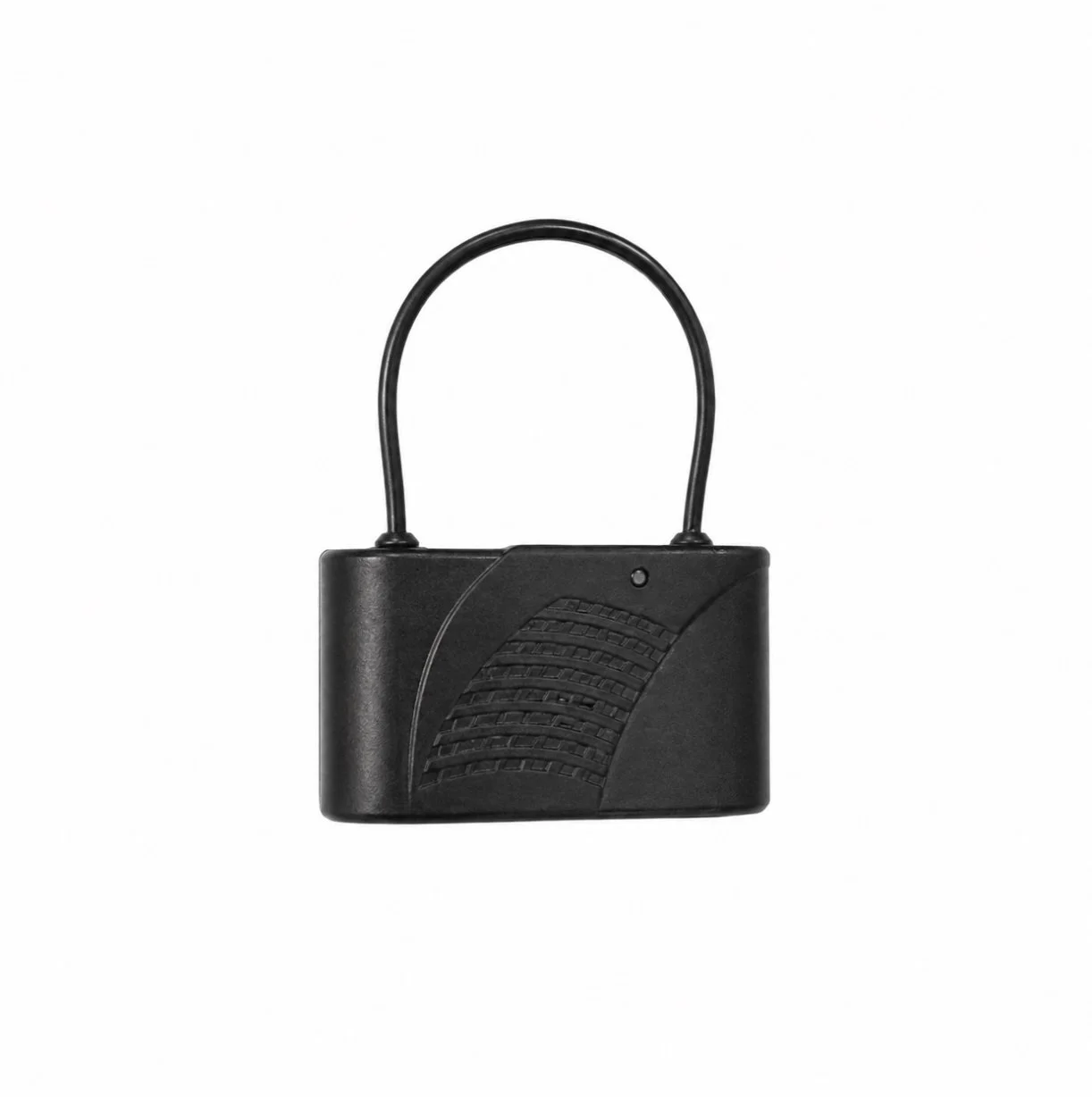
Protect high theft merchandise with these 2 alarm AM security tags featuring a durable 4" lanyard for fast, flexible attachment. Built on 58KHz AM technology, these tags are ideal for retailers who want strong deterrence on accessories and other grab and go items without slowing down the sales floor. Designed to integrate seamlessly with AM/Sensormatic style systems, they deliver reliable alarming performance while keeping your product presentation clean and professional. Requires Superlock detacher.
Key Features
Dual-Alarm Protection: 2 alarm design adds an extra layer of deterrence for high risk items.
AM Technology (58KHz): Dependable detection and performance on AM systems.
4" Lanyard Included: Quick, secure attachment for accessories and hard to tag products.
Versatile Use Cases: Great for handbags, belts, shoes, luggage, apparel, and accessories.
Retail Ready & Durable: Built for day to day store use and repeated handling.
Convenient Pack Size:Box of 25, perfect for smaller rollouts, new stores, or replenishment orders.
Requires Superlock detacher.
Quantity: Box of 25 tags (each with attached 4" lanyard)
Product Code: TAG2405 Magnetic Mini 2 Alarm Lanyard AM SL 4" - New(25 Pack)