
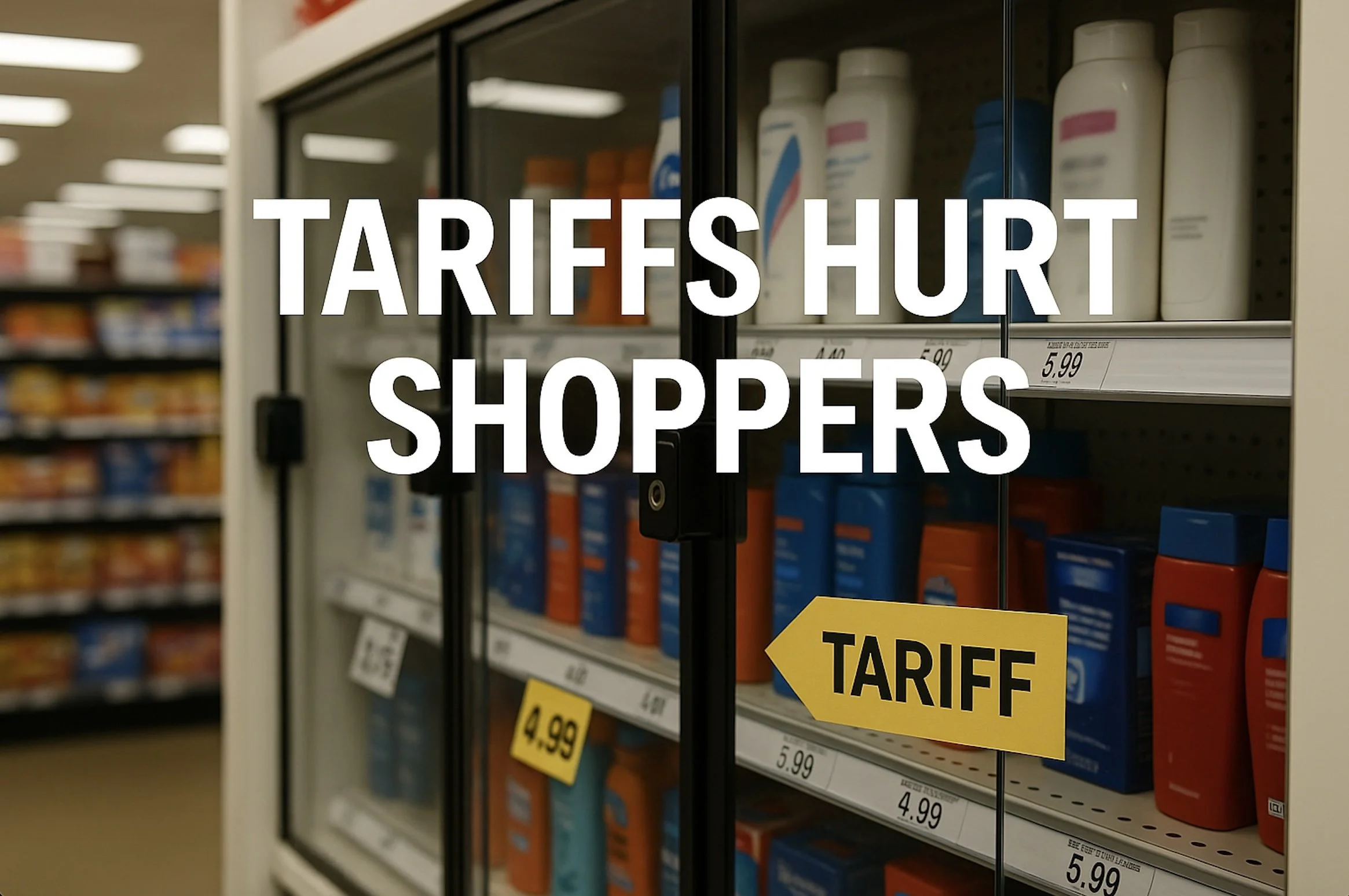
Tariifs hurt shoppers…
Tariffs aren’t just a headline or a political talking point , they’re a quiet tax that lands on the people least able to absorb it: consumers, small retailers, wholesalers, and the supply chains in between. When the U.S. slaps tariffs on imported goods, the cost doesn’t just “hit China.” It moves downstream. It shows up in the invoice your supplier sends you, in the shelf price a shopper sees at Target, in the margins a regional retailer is trying to protect, and ultimately in the frustration of a family who’s already paying more for everything from groceries to school supplies.
And there’s a second order effect no one in Washington seems eager to connect: when prices go up and margins get squeezed, retail crime becomes more attractive, both to steal and to resell.
Let’s unpack that.
1. Tariffs = Higher Costs All the Way Down
Tariffs are, functionally, taxes on imports. Businesses don’t absorb taxes forever, they pass them along. That means:
Importers pay more to bring goods in.
Wholesalers pay more to stock and distribute.
Retailers pay more to get product on shelves.
Consumers pay more at the register.
For big box chains with scale, that hurts. For independent retailers, dollar stores, convenience operators, pharmacies, apparel boutiques, it’s brutal. They already operate on thin margins, and they don’t have the leverage to negotiate everything away. So they either raise prices, reduce selection, or delay inventory refreshes. None of those options make shoppers happier.
2. When Prices Rise, Theft Becomes More Rational
Here’s the part policymakers miss: the higher the shelf price, the more valuable the item becomes to steal. If a basic household good, beauty product, or over the counter item is suddenly a few dollars more because of tariffs and pass through costs, the resale value on the gray/online market goes up too.
That creates a perfect storm:
Cost burdened customers: Some people simply can’t afford the new price, so they’re more tempted to steal low ticket items.
Organized retail crime (ORC): Professional boosters now have higher value merchandise to flip because tariffs have inflated sticker prices.
Resale incentive: When legitimate prices go up, the discount on a stolen or illegitimate marketplace listing looks even more attractive to buyers.
So a policy that was supposed to be “tough on foreign competitors” ends up making it more profitable to steal from U.S. stores.
3. Retailers Pay Twice
Retailers are getting squeezed from both ends:
On the front end they pay more to get goods into the country.
On the back end they lose more to all types of shrink, theft, fraud, and ORC, because the very same goods are now more valuable.
Then add labor, insurance, and store hardening costs (tags, safers, detectors, cameras). All of it erodes margin. Some stores respond by locking up more product, which annoys shoppers and can reduce sales further. It’s a vicious loop driven in part by policy choices, not just “bad customers.”
4. This Hurts the Economy, Not Just Stores
Tariffs create uncertainty. Businesses don’t like uncertainty. If you don’t know what your landed cost will be in 60–90 days, it’s harder to plan inventory, harder to price, and harder to invest. That ripples out to:
Delayed hires
Reduced capital spending
Slower store openings
Lower consumer confidence (because people see prices rising but don’t hear a good explanation)
In other words, it’s not just a retail problem, it’s an economy problem.
5. Congress Needs to Hear from the People Actually Paying
Right now, the loudest voices in D.C. aren’t always the people paying the invoice or standing at the register explaining price increases. That’s why trade groups are pushing for direct outreach.
Here’s the link to do exactly that:
👉 https://www.votervoice.net/NRF/Campaigns/123436/Respond
And here’s the message they’re trying to get across (in plain English):
These tariffs are not abstract, they are raising prices on everyday goods.
They are shaking consumer confidence.
They are adding anxiety and uncertainty for small businesses.
And they’re unintentionally making retail theft more attractive.
The campaign puts it well:
“Speak out against tariffs!
Congress must hear from those of us who pay tariffs, America’s consumers, small businesses and retailers in our communities.
… Write to Congress today! Ask your elected representatives to engage with the White House and tell them about the real impact increased costs and uncertainty from the tariffs are having on your family finances and shopping decisions.”
That’s exactly the pressure lawmakers need to feel , not theoretical stories, but real world impact: “This tariff raised my landed cost 10%. I had to raise prices. My customers complained. My shrink went up. This is not sustainable.”
6. What to Say When You Write
If you use the link, here are points you can make:
Tariffs function as a tax on U.S. consumers.
Higher prices increase the resale value of stolen goods, which fuels shoplifting and ORC.
Independent and mid sized retailers cannot keep absorbing tariff driven cost increases.
Constant tariff changes create planning uncertainty and slow investment.
You want Congress to push the administration to reduce or suspend these tariffs to relieve pressure on families and businesses.
Bottom line: Tariffs aren’t happening in a vacuum. They’re happening in grocery aisles, pharmacies, apparel stores, hardware chains, and ecommerce fulfillment centers, and they’re showing up as both higher prices and higher shrink. If Washington wants to help the real economy, the one with workers, cashiers, buyers, store managers, and customers, listening to retailers on tariffs is a smart place to start.
Again, here’s the link to speak out: https://www.votervoice.net/NRF/Campaigns/123436/Respond
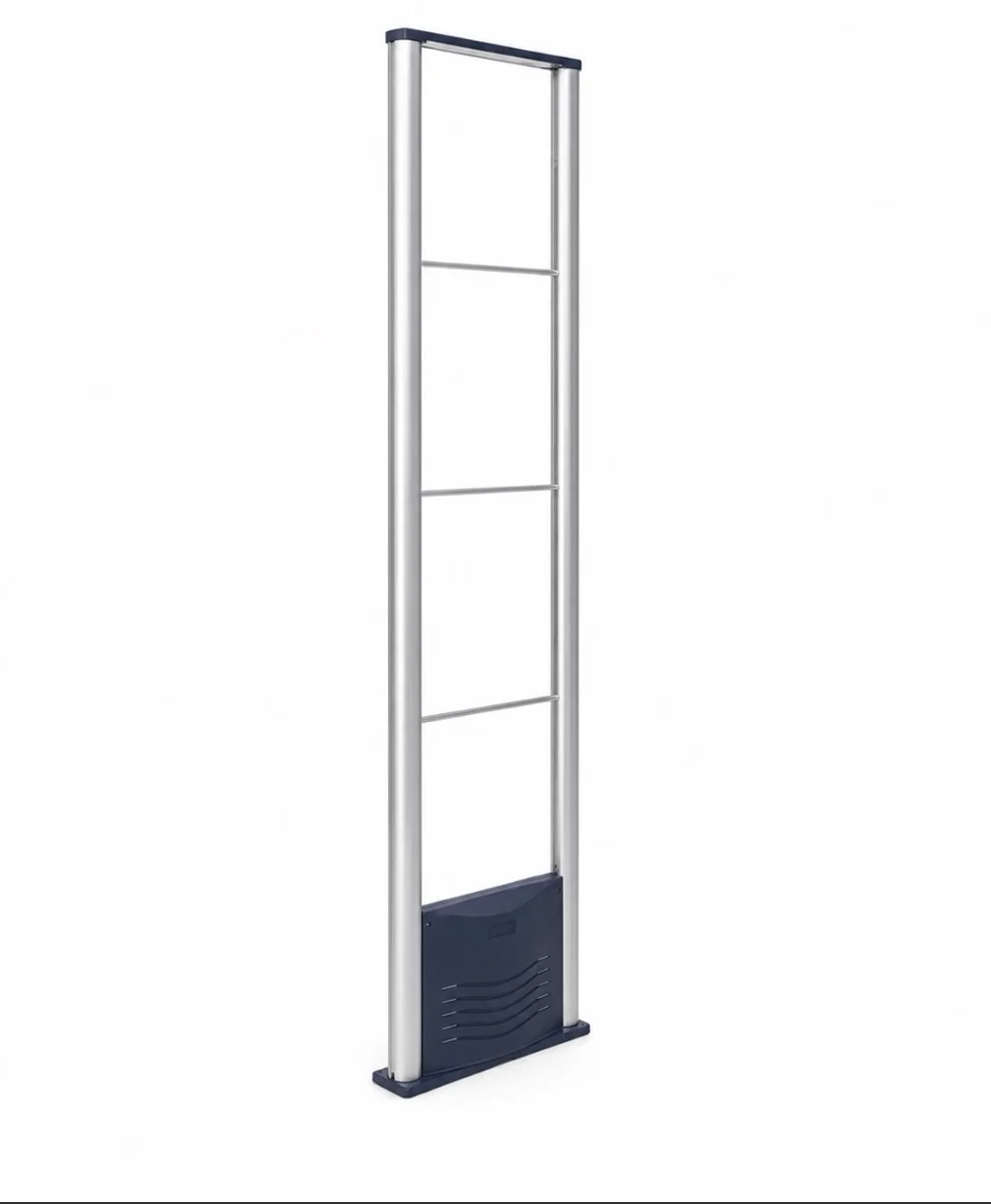
Secure entryways up to 6 feet wide with the Century G1000 RF transceiver, also called the Grand, a new 8.2MHz pedestal built around advanced tuning technology for high detection accuracy with fewer false alarms. Its sleek, modern profile blends into any retail environment while delivering durable, low maintenance performance. The G1000 works with all RF 8.2MHz security tags and is designed for professional installation to ensure optimal performance.
Key Features
RF 8.2MHz technology: Works with all RF 8.2MHz security tags.
6 foot coverage: Effectively secures entryways up to 6 feet wide.
Advanced tuning: Optimized for detection precision, reducing false alarms while maximizing security.
Sleek design: Modern, unobtrusive look that maintains your store aesthetic.
New condition: Durable, high performance build for long lasting reliability.
Professional installation required: Designed for expert setup and seamless operation.
Quantity: 1 new G1000 pedestal with power supply
Product Code: C1005-1 G1000 RF Transceiver System, 8.2MHz, New