
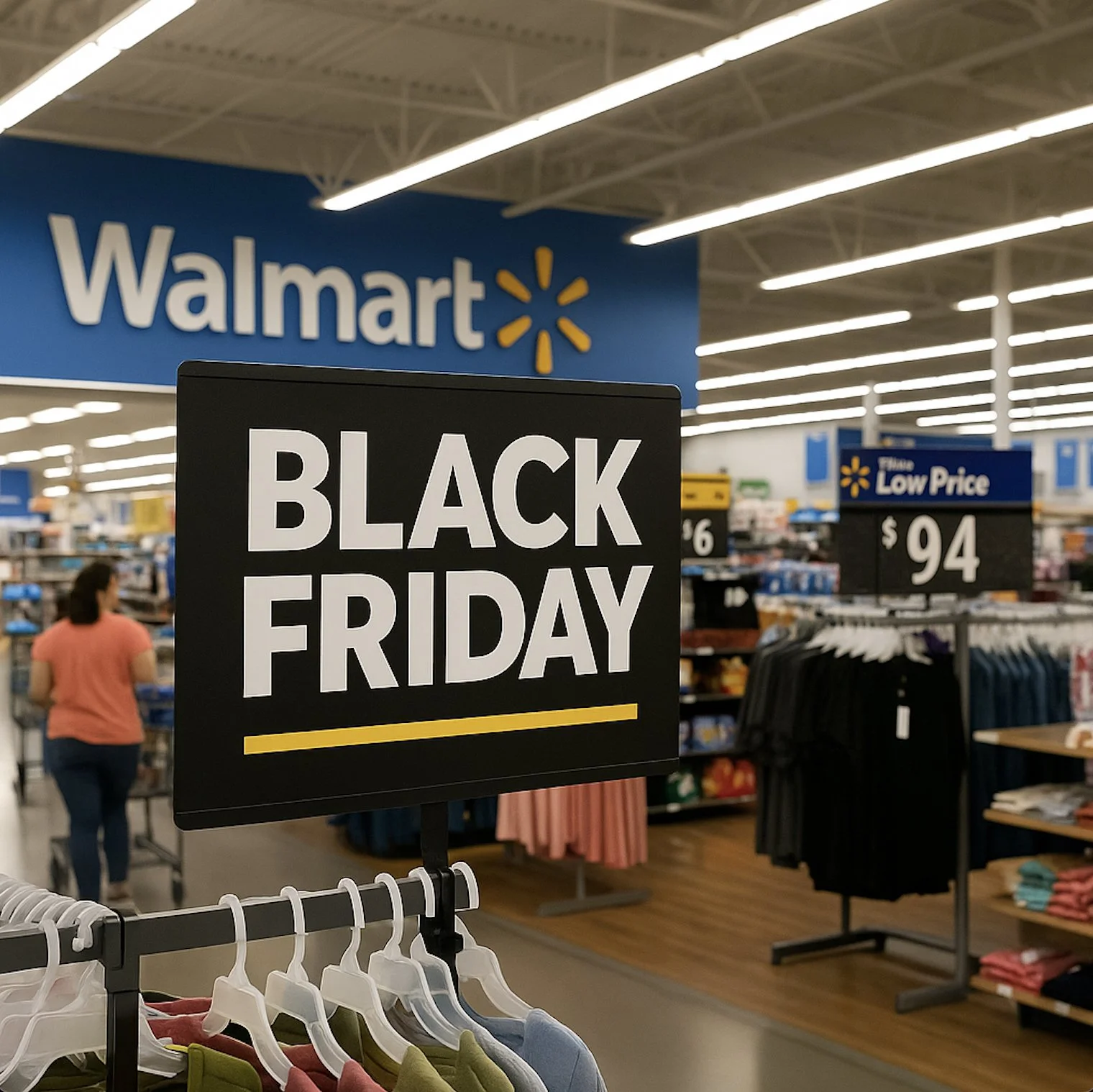
Black Friday 2025…
Black Friday has always been a high wire act. Razor thin margins, massive crowds, stressed teams, and huge expectations from customers and corporate alike.
What’s new as we head toward Black Friday 2025 is just how different the theft landscape looks compared with the pre COVID era.
According to The Impact of Retail Theft & Violence 2024 from NRF, LPRC, and Sensormatic, retailers reported:
A 93% increase in the average number of shoplifting incidents per year in 2023 vs. 2019, and a 90% increase in dollar loss from shoplifting over the same period.
A further 26% increase in shoplifting incidents just from 2022 to 2023.
76% of retailers say ORC related shoplifting is more of a concern than it was a year ago.
84% say violence during a crime has become more of a concern in the last year. retail theft report 2024
In other words: the stakes have never been higher.
What that means for Black Friday 2025, and how a smart, layered approach to EAS systems and security tags can help you protect product, people, and profit, without completely destroying the customer experience.
1. Why Black Friday 2025 Is a Perfect Storm for Theft
The report makes it clear that shoplifting today is no longer just “someone pocketing a lipstick.” Retailers are seeing:
More repeat offenders and group thefts (2–3 people or larger crews working together).
More shelf sweep events where individuals grab multiple units at once.
A wider range of categories being targeted, from health & beauty and OTC meds to power tools, beverages, apparel, baby products, batteries, fragrance, and small electronics.
Layer on typical Black Friday dynamics:
Overwhelmed staff and long lines.
Heavily promoted, high-value items on prominent displays.
High traffic at self checkout and BOPIS/BORIS (buy online, pick up/return in store), both of which the report flags as growing fraud channels. retail theft report 2024
Customers expecting fast, frictionless shopping.
It’s a dream environment for opportunistic thieves and organized retail crime (ORC) crews.
2. What the Report Says About Security Measures
Retailers are responding, but it’s not cheap, or simple.
Key findings: retail theft report 2024
69% of retailers who use locking cases/cages say their usage has increased since 2019 due to theft and violence.
42% say they’ve increased usage of EAS, ink tags, spider wraps and other item level deterrent tags since 2019.
61% increased budgets for technology software/solutions, and 52% increased capital allocation for LP equipment.
Retailers emphasize a “layered approach” that mixes personnel, physical security, and technology, tailored by location, risk profile and product category.
One strong theme: locking everything down is not sustainable. It hurts conversion, frustrates customers, and slows down already strained staff. Black Friday magnifies all of that.
That’s exactly where smarter EAS and tagging strategies can do the most good.
3. Making EAS the Backbone of Your Black Friday Loss Prevention Plan
A modern EAS program isn’t just “put tags on stuff.” It’s about using data to decide what to tag, how, and where in the store to get the best deterrence with the least friction.
3.1 Tag the right SKUs
The report lists a long roster of items retailers are now locking because of theft: OTC meds, fragrances, razors, laundry detergent, energy drinks, liquor, baby formula, beauty and personal care, batteries, small electronics, denim, handbags, jewelry, video games, toys, and more.
Instead of locking them all behind glass, use EAS tags and labels to keep high risk items:
Accessible enough to browse and impulse buy.
Protected enough to deter grab and runs and shelf sweeps.
Practical Black Friday plays:
Hard tag denim, outerwear, and high priced apparel on promo.
Use bottle tags / caps on liquor and premium beverages.
Deploy box wraps / spider wraps on small electronics, tools, headphones, grooming kits.
Use EAS labels on OTC meds, beauty, razors, batteries, and small boxed items where hard tags are impractical.
Let your incident data and last year’s shrink drive the list. Focus EAS where you see:
High margin + high shrink
Known ORC interest
Prior Black Friday issues (pushouts, shelf sweeps, SCO loss)
3.2 Balance deterrence and customer experience
The report notes that 76% of retailers say violence related incidents have forced them to implement measures that negatively impact customer experience.
EAS allows you to move some of that protection off the shopper’s critical path:
Tag the product, not the journey. Instead of adding yet another locked case, keep product on the floor, properly tagged and covered by well tuned pedestals.
Use clean, consistent tagging so customers don’t see the store as “under siege.” A random spider wrap and handwritten “Limit 2 per customer” sign sends the wrong message.
3.3 Don’t forget self checkout and front end
The report calls out BOPIS/BORIS fraud and ecommerce related theft as fast-rising concerns.
For Black Friday weekend:
Make sure high risk items require a scan and EAS deactivation at staffed checkouts or supervised SCO.
Keep small, high shrink items (razors, vapes where legal, high end cosmetics, expendables like printer ink) close to staffed lanes rather than unsupervised SCO.
Audit that your detachers and deactivators are working and placed correctly, no long walks or “let me find a detacher” delays. Slow front end flow = more opportunities for walkouts and confusion.
4. Layer EAS with People, Process, and Tech
EAS and tags work best as part of the layered approach the report describes: retail theft report 2024
4.1 People
Many retailers now limit who can approach or apprehend shoplifters because of rising violence and weapon use, yet 71% increased budgets for training on workplace violence and 62% for loss prevention training.
For Black Friday, train associates to:
Recognize high risk behaviors (grouping, staging product, repeated visits to the same fixture).
Use non-confrontational engagement (“Can I help you find a size?”) as both service and subtle deterrent.
Know the escalation path: who handles suspected ORC activity, who talks to law enforcement, what’s not expected of them (no heroics).
EAS supports them by being the silent partner: a tag that alarms so staff don’t have to guess whether a product was paid for.
4.2 Process
Use pre Black Friday walk throughs to check:
Every pedestal, antenna, and deactivation pad.
Tag placement on key categories.
Clear lanes at entrances/exits so alarms can be investigated safely.
Align LP, store ops, and merchandising:
LP defines “must tag” SKUs.
Merchandising ensures tags don’t block branding or usage.
Store teams verify promos and special displays still sit within EAS coverage.
4.3 Technology
The report shows retailers increasing investment not only in EAS but also RFID, digital ID, cart locks, receipt checks and SCO item detection.
If you’re already deploying RFID or digital IDs, Black Friday 2025 is a great testbed to:
Use RFID + EAS for real time visibility into on hand vs. sales vs. shrink on hot items.
Identify abnormal patterns (sudden drops with no corresponding sales) early in the weekend and adjust tagging, staffing, or display strategy quickly.
5. A Practical Black Friday 2025 EAS & Tagging Checklist
Here’s a compact checklist you can put straight into your prep plan:
1. Review last year’s data.
Top 20 SKUs by shrink.
Departments hit by ORC or shelf sweeps.
Self checkout and BOPIS/BORIS loss trends.
2. Build a Black Friday “must tag” list.
Apparel promos (denim, outerwear, designer).
Health & beauty, fragrance, OTC meds, razors, batteries.
Liquor and high value beverages.
Portable electronics, tools, games, and accessories.
3. Match the right tag to the product.
Hard tags for apparel and soft goods.
Bottle tags/caps for alcohol.
Box wraps/spider wraps for boxed high value items.
Flat labels for small packaged goods.
4. Audit your EAS infrastructure.
Test every pedestal and deactivator.
Confirm coverage on new/temporary Black Friday fixtures.
Check spare tags, pins, lanyards and detachers are on hand before the weekend.
5. Align with staffing and training.
Make sure everyone knows who handles what when an alarm sounds.
Run quick refreshers on non confrontational engagement and your no pursuit/no contact rules.
Coordinate with any off duty police or contract security so they understand your EAS zones and tag strategy.
6. Plan for after the weekend.
Capture data on alarms, incidents, and recovered merchandise.
Compare shrink and incident counts versus last year’s Black Friday period.
Use those insights to refine your long-term tagging and EAS strategy.
Final Thoughts
The NRF/LPRC/Sensormatic report makes one thing crystal clear: theft and violence aren’t going away on their own. Retailers are seeing more incidents, more organization, and more aggression than just a few years ago.
Black Friday 2025 will be a stress test for every loss prevention program. But with a data driven, layered approach, and EAS and security tags positioned at the center, you can:
Keep more product on the floor instead of behind glass
Protect employees and customers
Hold onto the margin you’re working so hard to drive that weekend
Plan now, tag smart, and let your EAS do the heavy lifting so your team can focus on what Black Friday is supposed to be about: serving customers and ringing sales, not chasing thieves.
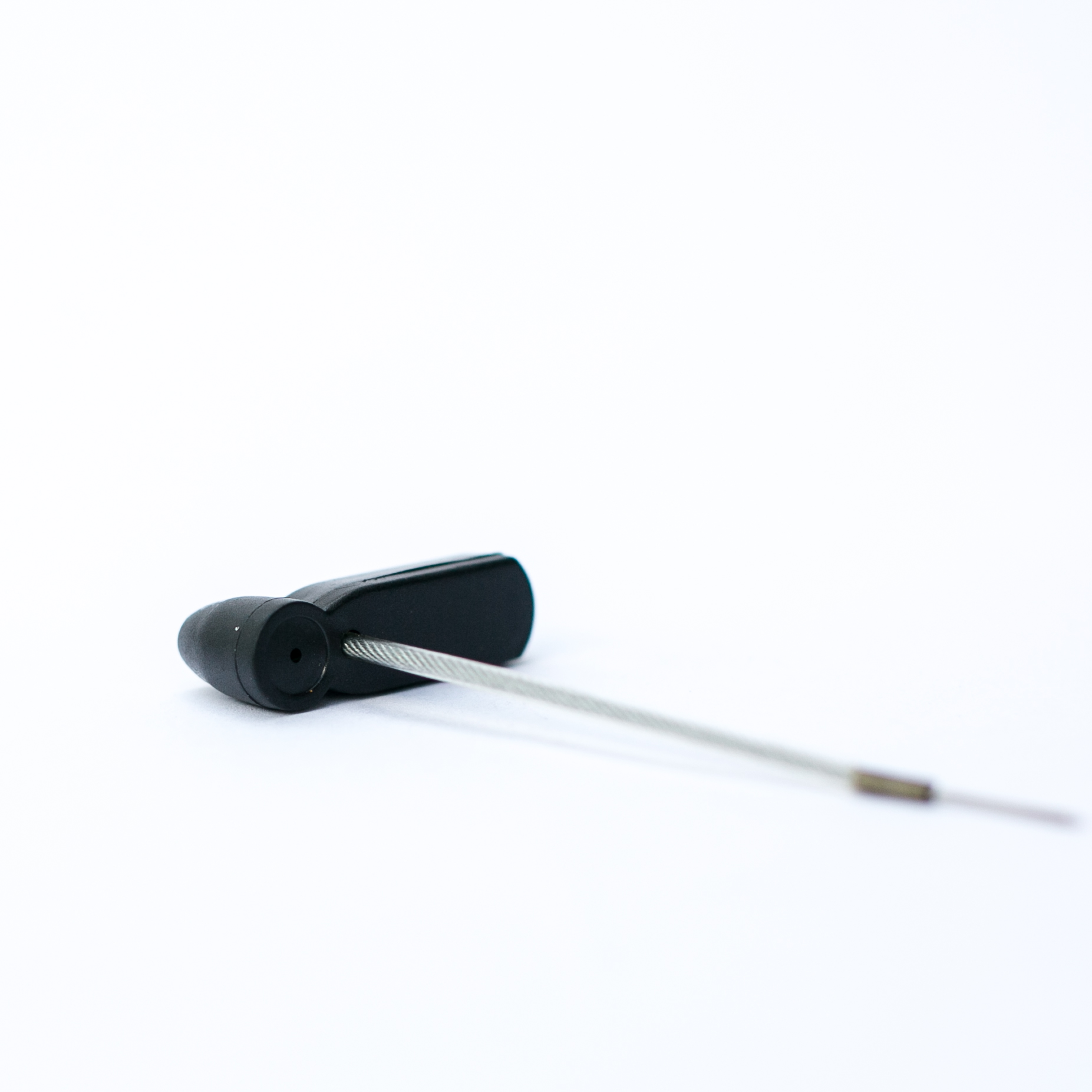
The TAG2043 Stylus Tag Mini with Lanyard is a lightweight and versatile AM security tag designed for protecting a wide range of accessories. With its sleek design and included lanyard, this tag is perfect for securing items like shoes, handbags, belts, purses, luggage, and other accessories. Operating on the 58KHz frequency, it offers reliable protection and works seamlessly with Sensormatic systems. This tag is extremely popular due to its versatility and effectiveness in securing high-value merchandise.
Key Features:
•Lightweight and Sleek Design: Ideal for protecting accessories without adding bulk.
•Integrated Lanyard: Perfect for use with shoes, handbags, belts, purses, luggage, and more.
•AM Technology: Operates on the 58KHz frequency, ensuring reliable security.
•Wide Compatibility: Works with all Sensormatic systems, providing seamless integration.
•Popular and Versatile: A top choice for retailers looking to protect a variety of accessories.
•Bulk Supply: Comes in boxes of 1,000 tags with lanyards, ideal for large retail operations.
Quantity: Comes in boxes of 1,000 tags with lanyards.
Product Code: TAG2043 Stylus Tag Mini w/Lanyard - 58KHz - NEW - BLACK
*Color may be substituted based on stock availability.