

LP Director monitoring CX…
Here’s a field tested, first person take, written from my seat as a Physical Security & Loss Prevention Director at a major U.S. retailer. I’ll call out what I deploy today from SecurityTagStore.com, plus the Sensormatic items I’ve used (and still rate) so you can choose pragmatically rather than by logo.
I run programs for hundreds of doors with mixed risk, mixed fixtures, and a constant need to protect margin without wrecking the shopper experience. My approach is boring by design, standardize the fewest SKUs that cover the most scenarios, keep checkout clean, and make sure detachers match locks at every lane.
Below is exactly what I’d spec. What, where, and why, with the SecurityTagStore.com alternatives I purchase now and the Sensormatic pieces I’ve used and still respect.
Core framing (AM vs RF)
AM (58 kHz): carries farther at the door and is resilient in noisy front of store environments. My default for apparel heavy fleets.
RF (8.2 MHz): broad label ecosystem and low unit cost. Useful where you need lots of sticker coverage fast.
Either path works, just don’t mix them casually. Align tags/labels/systems by frequency per store.
Apparel (pin style): default vs. high clamp
What I deploy (SecurityTagStore.com):
Everyday apparel: a light, low profile pencil/stylus hard tag (AM for AM stores; RF for RF stores). It’s inexpensive, comfortable on textiles, and fast at POS.
High risk apparel (denim walls, edge displays): Hawkeye or clam style tag for stronger defeat resistance when I expect more prying and leverage attempts.
What I’ve also used (Sensormatic):
SuperTag™ III (AM): still the benchmark for “clean look plus serious hold.” We’ve run both the pin version and the lanyard variant when pin holes weren’t acceptable. Compatible with MK225/MKAMK1000/MKAMK1010 detachers; rated pullout ~140 lb.
Why I choose one over the other: If your shrink is mostly casual concealment, the stylus/pencil tag is enough; when ORC or aggressive pull attempts pick up, step up to Hawkeye, clam style, or SuperTag III in hot zones.
No hole & delicate fabrics
What I deploy (SecurityTagStore.com):
Pinless Raptor tag for leather, down, technical fabric, rentals/consignment, anywhere a pin hole is a hard “no.”
What I’ve also used (Sensormatic):
Magnetic 9kG Pinless Tag (AM): spring loaded metal clip, compact body, 9kG lock; removes with the magnetic family detachers (MKD400BL/MKD600/AMK4100/AMK4210). Great on delicate apparel and certain sporting goods.
Rule of thumb: If you can’t, or shouldn’t, pierce it, go pinless.
Footwear, handbags, backpacks & “can’t pin” items
What I deploy (SecurityTagStore.com):
Lanyard hard tags (AM or RF) with stainless cable. Route through eyelets/handles and keep the tag body small for try on comfort.
What I’ve also used (Sensormatic):
SuperTag III Lanyard (AM): same SuperTag detacher workflow with a 4" cable, handy for premium shoes, handbags, and small leather goods.
Eyewear (try on is non negotiable)
What I deploy (SecurityTagStore.com):
Optical tags (AM or RF) that mount along the temple so customers can try frames without removing the tag; I’ll often bundle these with a multi function detacher at POS.
What I’ve also used (Sensormatic):
Magnetic Optical Tag (AM or RF): purpose built for eyewear; sits on the side arm, preserves try on, available in both technologies. Works with the magnetic detacher family (MKD31BL/MKD400BL/MKD600/AMK4100/AMK4210).
Bottles, clubs, tools & odd shapes
What I deploy (SecurityTagStore.com):
Bottle/sports cable tags (RF or AM) for wine & spirits, golf clubs, bats, tool handles, where a loop beats a pin.
What I’ve also used (Sensormatic):
Magnetic 9kG Multi Purpose Tag (AM): multi strand steel cable with nylon clamp; covers wine/spirits, luggage, power tools, and sports goods without killing merchandising.
Alarming where it earns its keep
What I deploy (SecurityTagStore.com):
Selective 2 or 3 alarming tags with lanyards on small, high value items far from staff view (premium headphones/accessories near exits). They’re not for every aisle, use sparingly to avoid alarm fatigue and battery issues. Sometimes they are the only thing that makes the difference though.
What I’ve also used (Sensormatic):
Magnetic 3 Tone Alarming Lanyard (AM/RF): integrated cable, 5kG/9kG lock options, and an audible layer that turns heads during a defeat attempt. Detaches with magnetic family detachers.
Ink (benefit denial)
What I deploy (SecurityTagStore.com):
Round ink tags and Hawkeyes on door adjacent fixtures and fitting room zones where a permanent mark kills resale value. I layer ink on top of basic hard tagging when ORC is actively farming a category.
When I don’t: If presentation is paramount (e.g., luxury soft delicates and petites).
Labels & deactivation (for what can’t take a pin)
What I deploy (SecurityTagStore.com):
AM DR labels for AM fleets; RF 700 series for RF fleets.
Countertop power deactivators with large pads so associates don’t “hunt” for the sweet spot.
What I’ve also used (Sensormatic):
AM DR labels (Ultrastrip class) paired with Sensormatic compatible deactivators, reliable, fast, and durable in high volume lanes when installed and maintained correctly. (Also: mind stockroom heat, see below.)
Detachers: standardize or suffer
My rules (all fleets):
One magnetic family detacher type chain wide for magnetic lock tags (I stage compact MKD class equivalents at each lane).
If you run SuperTag style locks anywhere, every lane that sees those tags must have a SuperTag detacher, no exceptions!
Keep one “back up” power detacher at each door in case a lane unit fails mid rush.
What I’ve also used (Sensormatic):
SuperTag detachers: MK225 hand units and MKAMK1000/1010 countertop units.
Magnetic family detachers: MKD31BL, MKD400BL, MKD600, plus AMK4100/AMK4210.
Source Tagging (factory applied)
What I deploy (SecurityTagStore.com and vendor partners):
Pre applied labels and recirculated hard tags where suppliers will play ball. My KPI is labor minutes saved at store set plus compliance improvement.
What I’ve also used (Sensormatic):
VSTR Non Deactivatable SuperTag (AM): arrives floor ready, designed for tag recirculation, with a robust ~80 lb locking mechanism. It did what it said on the tin, and the waste reduction story helped with sustainability stakeholders.
Visual standards (because CX matters)
For premium displays, I prefer small, flat geometries. When I ran Sensormatic Saucer (AM) in a fashion capsule, it read cleanly on the rack and deterred well, useful if you want a “modern” look with reliable detection.
Environmental & storage realities
Summer stockrooms can cook. As a policy, we keep boxed labels below 60 °C/140 °F and avoid prolonged high humidity. Those limits align with published constraints many tags follow (e.g., Sensormatic environmental specs at 60 °C/80% RH for ~96 hours). Bake that into DC/store SOPs.
Quick recipes by vertical
Fashion & Denim
Everyday: stylus/pencil hard tag (AM/RF to match gates)
Edge/ORC: Hawkeye, clam style, or SuperTag III in hot spots
Fitting rooms & near exits: add ink where it pays
Footwear & Handbags
Lanyard hard tag (AM/RF)
If pinless needed, use Raptor tag; SuperTag III lanyard is a solid legacy option
Eyewear
AM and RF optical tag; Sensormatic’s Optical Tag variant is proven in high shrink sunglass bays
Wine & Spirits / Sporting Goods
Cable/bottle tags or multi purpose cable tags; Sensormatic 9kG Multi Purpose is a workhorse reference design
What I don’t do anymore
I don’t mix lock families at a single front end. That’s how queues form and workarounds (read: damage) happen.
I don’t deploy 2 alarming everywhere. Use it like a scalpel, not a sledgehammer.
I don’t reinvent SKUs per store. Corporate sets the standard kit; field only deviates with LP approval plus a business case.
Bottom line
You don’t need every SKU under the sun. Pick:
one everyday apparel tag,
one tougher clamp option,
one lanyard workflow,
one pinless option,
one label line, and
a single detacher standard for each lock family.
Then add source tagging where suppliers cooperate, and use 2 alarming only where the ROI is obvious. My current buys from SecurityTagStore.com hit the marks with clean aesthetics and strong availability. Your losses will fall, your lanes will flow, and your team will thank you.
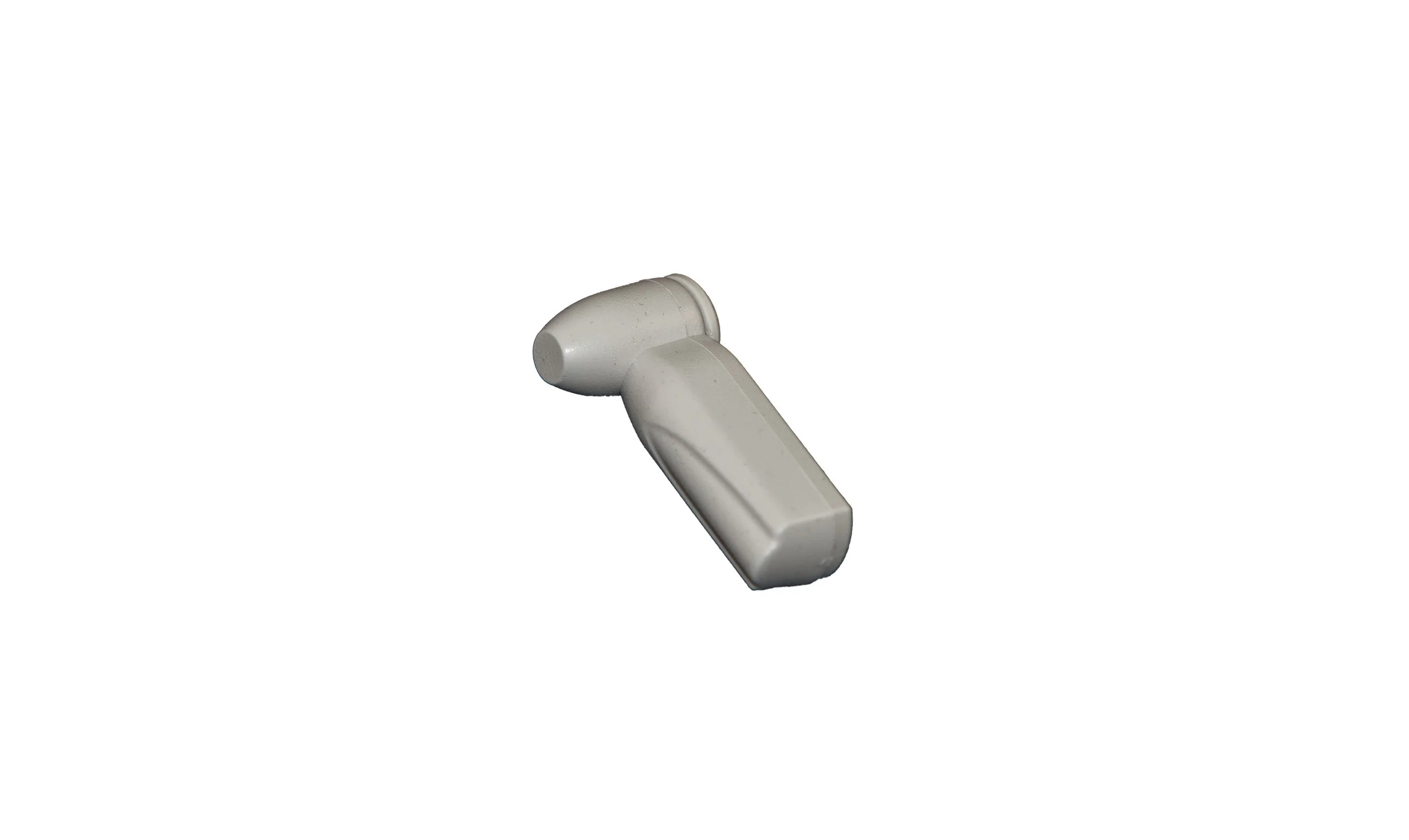
Keep apparel covered with the gray Stylus Tag, a lightweight AM hard tag trusted on everything from jeans to sportswear. Built on 58KHz AM technology, it works with Sensormatic systems and protects clothing without adding bulk. These tags are refurbished and ship with refurbished plastic head pins, making them an economical way to secure a large apparel inventory.
Key Features
58KHz AM technology: Works with Sensormatic systems
Apparel workhorse: A popular, versatile tag for jeans, sportswear, and general clothing
Lightweight design: Robust protection that does not weigh down garments
Gray finish: Clean, neutral look on the sales floor
Refurbished value: Tags and plastic head pins refurbished for cost savings
Quantity: 1,000 refurbished tags with refurbished plastic head pins per box
Product Code: TAG2047-WP Stylus Tag Gray