
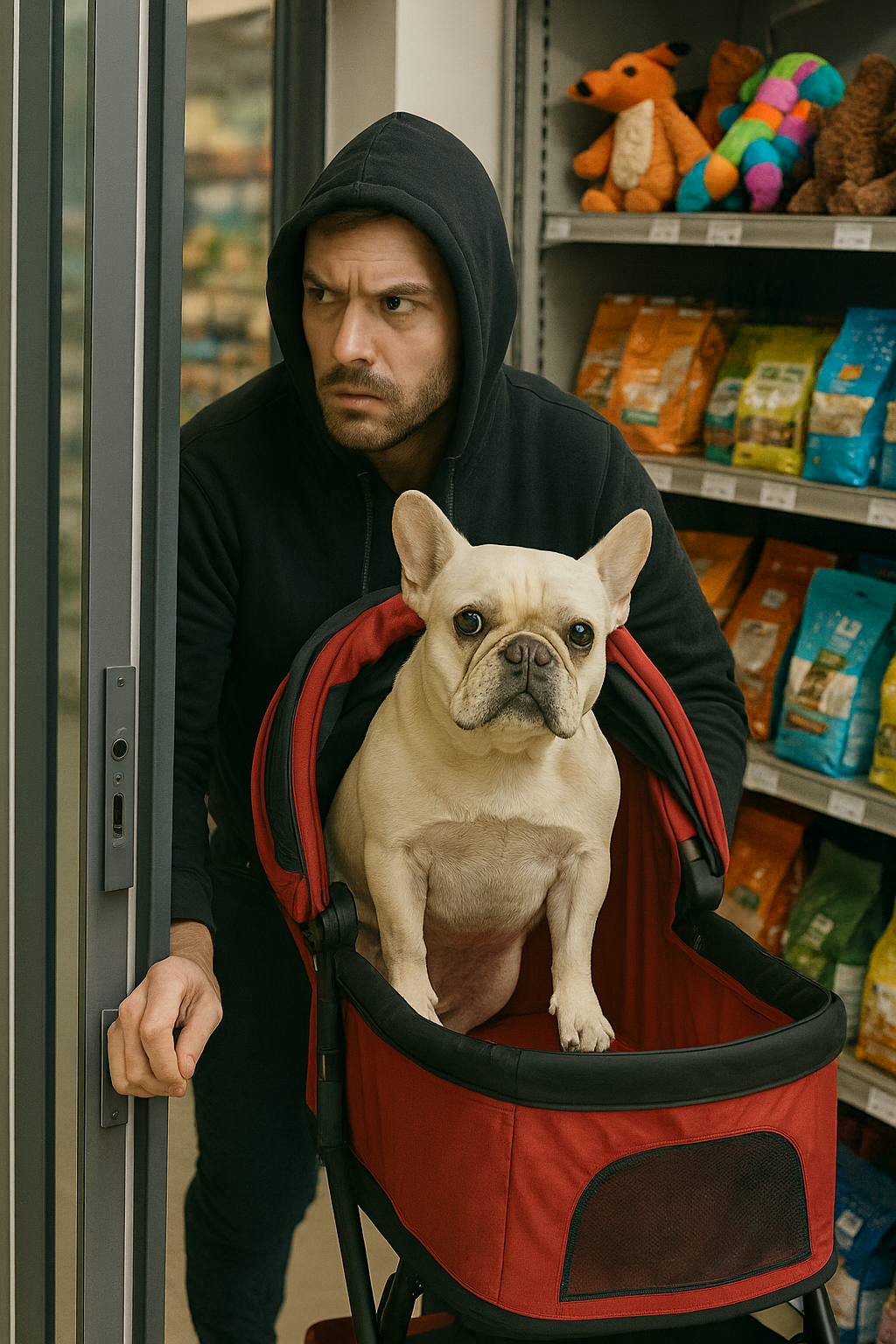
Shoplifting from pet store…
On August 20, 2025, the City of West Hollywood made headlines by voting unanimously to ban the retail sale of nearly all live animals within city limits. The amendment to West Hollywood Municipal Code Chapter 9.50.020 expands the city’s previous ban on selling dogs and cats (in place since 2010) to now include:
Amphibians
Arachnids
Birds
Fish
Hermit crabs
Mammals such as rodents and rabbits
Reptiles
According to WeHo Times, this change will directly impact the Petco on North Doheny Drive, currently the only pet store in the city selling small animals like hamsters, guinea pigs, and fish.
The Society for the Prevention of Cruelty to Animals, Los Angeles (spcaLA) advocated for the expanded ban, citing issues ranging from inhumane breeding conditions to public health risks such as zoonotic diseases. spcaLA President Madeline Bernstein praised West Hollywood’s leadership, noting that the city has often paved the way for statewide and national legislation protecting animals.
Compliance enforcement will begin after an amortization period ending May 1, 2026, giving businesses time to adjust.
A City with a History of Animal Welfare Leadership
This move follows a long tradition of animal protection laws in West Hollywood:
1989: Declared itself a “Cruelty Free Zone” for animals
2004: Banned cat declawing, the first U.S. city to do so
2008: Supported Proposition 2, the Prevention of Farm Animal Cruelty Act
2013: Implemented a landmark ban on fur apparel sales
With each step, West Hollywood has strengthened its reputation as a leader in humane legislation.
The Overlooked Issue: Shoplifting in Pet Stores
While the city tightens restrictions on animal sales, another challenge continues to impact pet retailers everywhere: shoplifting.
Pet stores often experience higher than average theft rates, driven by:
Emotional attachment: Shoppers view pets as family members and sometimes rationalize theft of food, toys, or accessories as “helping” rather than stealing.
Perceived low risk: Without visible deterrents like security tags, cameras, or attentive staff, would be thieves assume they won’t get caught.
Small, concealable items: Treats, leashes, and grooming products are easy to hide, making them prime targets for impulse theft.
Industry experts call this opportunity theft, when shoppers believe their actions are justified and unlikely to be detected.
Why Retail Security Still Matters
As laws shift to protect animals, pet retailers must still protect their inventory. Loss prevention isn’t just about profits; it ensures honest customers aren’t paying the price for theft driven losses.
Best practices include:
Installing electronic article surveillance (EAS) systems on high theft products
Placing visible signage and cameras to deter opportunistic shoplifters
Training staff to engage with customers, reducing theft risk through attentive service
By combining animal welfare policies with robust security measures, pet stores can adapt to changing regulations while staying financially healthy.
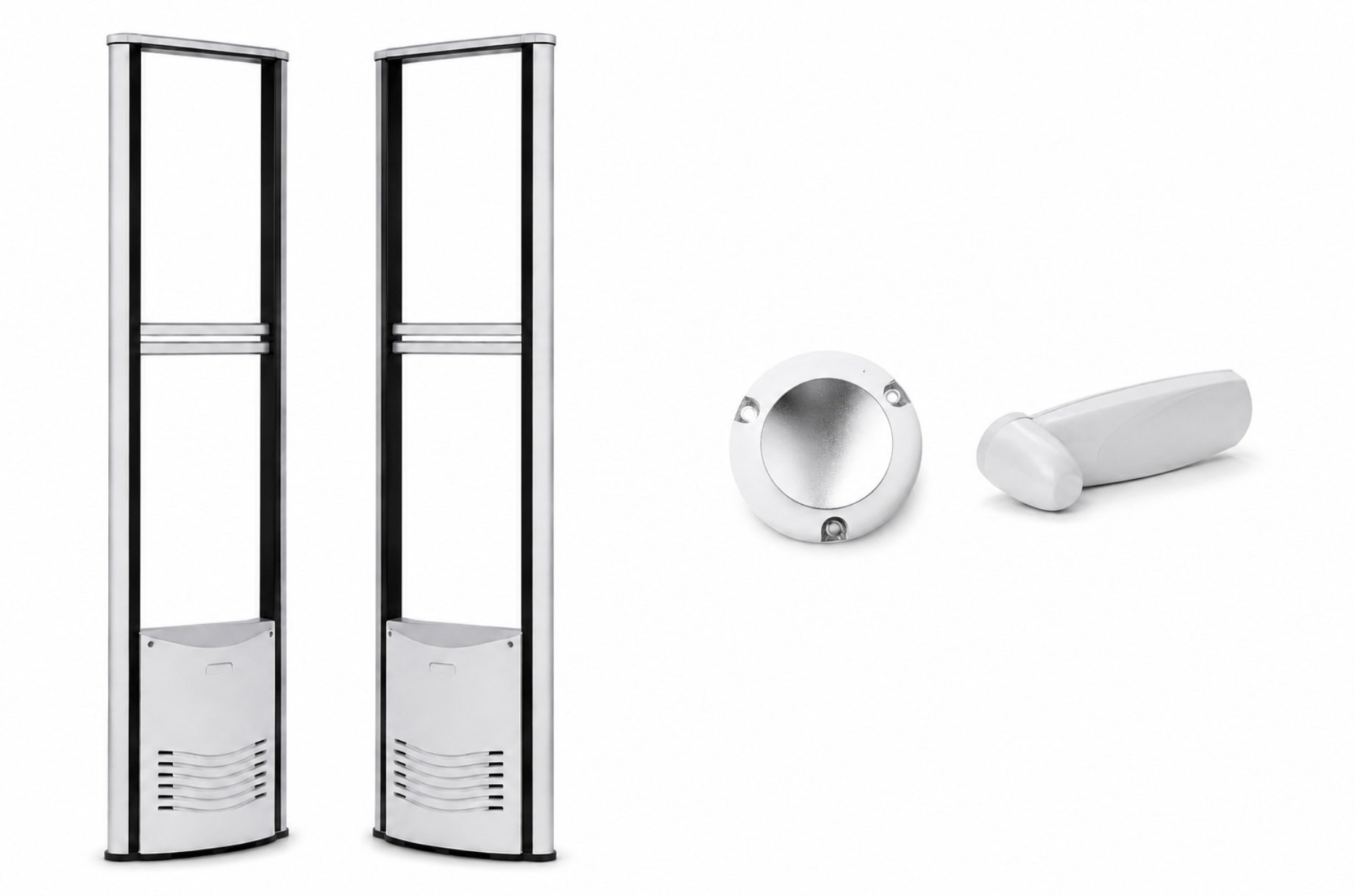
Protect your apparel floor with the High Detection Clothing Security Tag Package, a complete new AM 58KHz system built around the Century Classic Primary and Secondary Transceivers with advanced DSP technology. The dual pedestal layout covers up to 12 feet of entryway, 6 feet between the pedestals plus 3 feet on each outer side, and ships with 1,000 flat pencil hard tags with pins and a DET1006 bench detacher so you can start tagging the moment installation is finished. Professional installation is included across most of the continental U.S.
Key Features
AM 58KHz technology: Works with all AM 58KHz security tags.
High detection accuracy: Advanced DSP processing identifies tag signals while filtering environmental noise for minimal false alarms.
Wide 12 foot coverage: Dual pedestal layout secures large clothing store entrances.
1,000 flat pencil tags with pins: TAG2064-WP grey AM 58KHz hard tags with grooved pins for fast, secure attachment to apparel.
Bench detacher included: DET1006 high strength counter detacher for quick, quiet checkout.
Professional installation included: Covered in most of the continental U.S., with exclusions for remote or difficult to reach locations.
Quantity: System package: 2 pedestals (Classic Primary and Secondary Transceivers) with power supply, 1,000 flat pencil tags with pins (TAG2064-WP), 1 DET1006 bench detacher, professional installation
Product Code: C2001-2STP High Detection Clothing Security Tag Package, AM 58KHz, New