
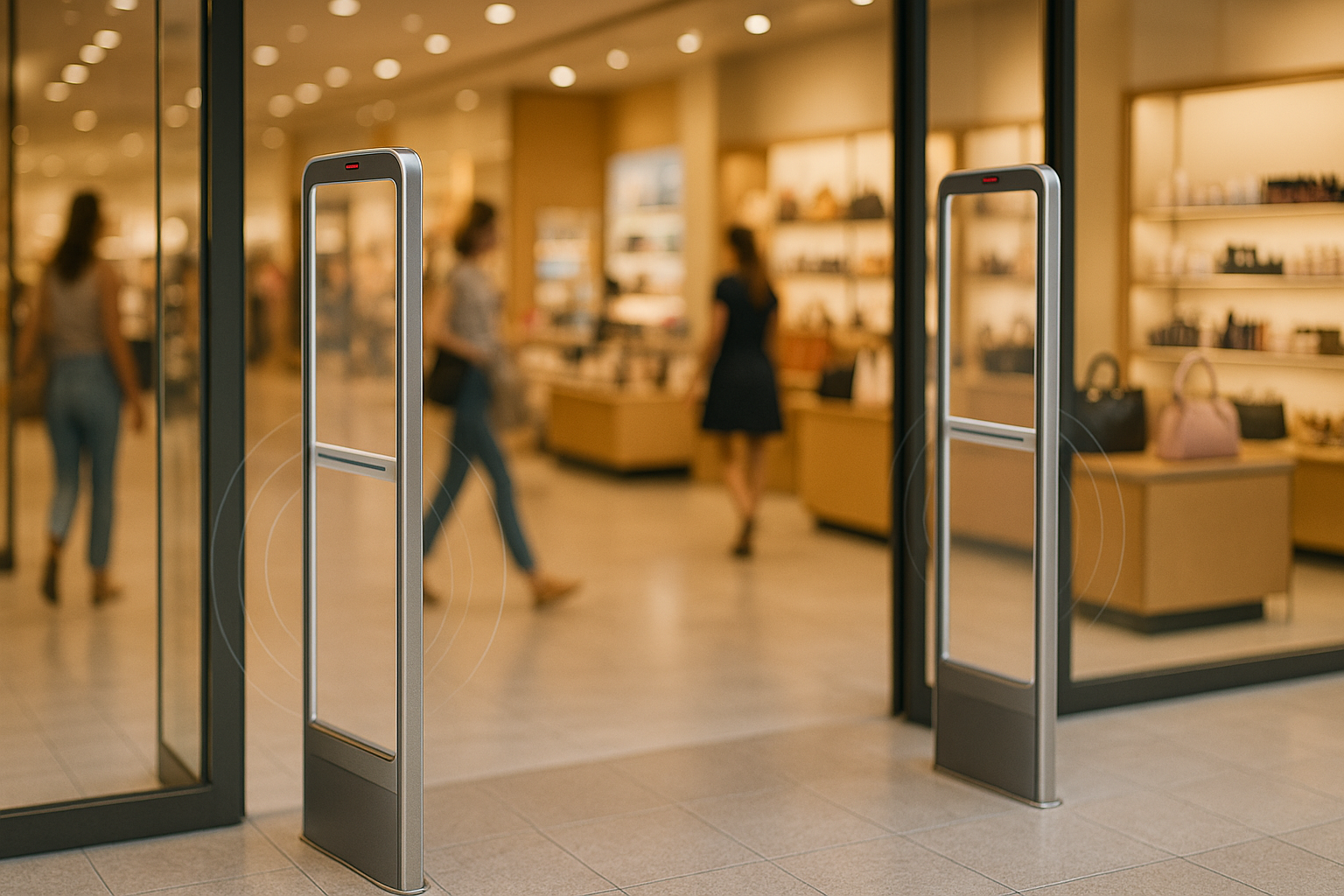
AM EAS System at Luxury Retail…
U.S. shoppers kept spending in August. The Census Bureau’s latest Advance Monthly Sales for Retail and Food Services shows sales at $732.0B, up 0.6% month over month and 5.0% year over year. July’s change was revised up to +0.6%, and non store retailers posted a double digit +10.1% YoY while restaurants and bars rose +6.5% YoY.
Reuters notes the breadth beneath the headline: core retail sales (the “control group” that feeds into GDP) climbed 0.7%, with gains across categories from apparel to sporting goods, and a pickup in online receipts. At the same time, a softening labor market and tariff-related price pressures are building as headwinds factors that could challenge margins even as the top line looks healthy.
CNN’s coverage underscored the surprise: the +0.6% August print beat consensus expectations for a +0.2% gain, reinforcing the story of a consumer that’s resilient but selective.
What this means for retailers: traffic + inventory exposure = higher shrink risk
When sales accelerate, more units move through your doors, more merchandise sits on the floor, and more associates are stretched to meet demand. That combination reliably increases opportunistic theft especially in small, high margin items (beauty, accessories, electronics peripherals) and busy zones near entrances/exits. With tariffs lifting input costs and wage pressure still elevated in many markets, every basis point of shrink now cuts deeper into profitability. Reuters’ read through on inflation and labor confirms the squeeze.
That’s why electronic article surveillance (EAS) AM 58 kHz and RF 8.2 MHz systems, tags, labels, deactivators, and pedestals, should move from “nice to have” line items to priority capital right now.
The business case: protect the growth you just earned
Sales tailwinds magnify ROI. When comps are positive, each prevented loss is worth more. A modest 0.5–1.0% shrink reduction can fund a full EAS rollout across multiple doors in months, not years ( math below).
Tariff noise raises replacement costs. If tariffs nudge retail prices higher, stolen units are more expensive to replace, compounding the margin hit, another reason to intercept theft pre purchase. Reuters flags tariff linked price pressure as a present risk.
Category mix favors tagging. With nonstore and restaurant spending up, stores have to compete on speed and experience, often by front-facing more stock for easy grab and go. That elevates exposure and strengthens the case for discreet tagging plus smart deactivation at checkout.
A quick ROI sketch
A 20-store specialty chain averaging $10M annual revenue per store. If current shrink is 1.6%, losses total $160k per door.
A well tuned EAS program (AM or RF + tagging standards + staff training) that trims shrink by 0.6 percentage points saves $60k per door.
If your all in EAS deployment (dual aisle pedestals, deactivation, detachers, tags/labels, install & calibration) runs $35k–$50k per door, payback is typically under 12 months, often faster in high risk categories.
AM vs RF vs RFID overlays, choose for your risk and footprint
AM (58 kHz): Excellent detection around many hard to protect items; popular in hardware, fashion, electronics. Ideal for wide entrances and challenging environments.
RF (8.2 MHz): Highly cost effective labels for softlines, books, general merchandise; strong ecosystem of vendor applied source tagging.
RFID overlays: If you’re piloting item level inventory or self checkout, pair EAS with RFID hard tags (or dual tech) to get both loss prevention and real time visibility.
Where to start (a practical, 10-step EAS playbook)
Map your losses: Rank categories, SKUs, and zones by incident count and dollars lost (exit lanes, cosmetics gondolas, promo bays, endcaps).
Entrance architecture: Right size pedestals (single vs. dual-aisle), consider door mounted systems in premium environments.
Tagging standards: Define which SKUs get hard tags vs soft labels, and document placement so associates are consistent and deactivation is clean.
Deactivation coverage: Ensure full counter coverage (sweet spot ~3–6 inches above pad) and test weekly. Ghost alarms kill compliance.
Detachers & controls: Use secure detachers (mounted/tethered) and maintain a chain of custody log. Audit magnet access quarterly.
Signage: Prominent EAS protected signage near entrances and hot fixtures boosts psychological deterrence at near zero cost.
Exception flows: Write playbooks for beeps at exit, demagnetization misses, and customer service scripts (non confrontational, safety first).
Associate training: Micro-modules (10–15 minutes) on tag placement, deactivation, and reading alarm patterns. Tie to mystery shop KPIs.
Service & calibration: Schedule quarterly tune ups; noisy RF environments and seasonal fixture moves can drift sensitivity.
Measure ROI: Track shrink by category, alarm counts, recoveries, and false alarm rate. Celebrate wins; iterate on the tagging list.
Category quick hits (based on where August strength showed up)
Apparel & accessories: Lean into AM hard tags for jackets/denim and AM labels for boxed items and accesories; use lanyard tags for handbags. Reuters flagged a solid August for clothing.
Sporting goods & hobbies: Multi SKU smalls (knives, optics, collectibles) benefit from keepers and tethered displays plus EAS.
Food & beverage stores: For higher value items (premium spirits, OTC meds, razors), combine AM labels with locked cases in top loss stores. Census shows steady growth in food & beverage, a reminder to protect the premium shelf.
Nonstore/omnichannel: In store pickup/returns are theft vectors. Tag display units, stage back of house pickups behind an EAS choke point, and verify deactivation before release.
Don’t wait for headwinds to hit margins
The macro picture is constructive, three straight months of solid gains, a strong August beat, and broad based category support. But the labor market and tariff trajectory are real wildcards, and they can erode margin quickly if shrink drifts higher. Investing in a modern EAS stack now helps lock in today’s revenue momentum and cushions tomorrow’s volatility.
Sources
U.S. Census Bureau, Advance Monthly Sales for Retail and Food Services (Aug 2025): topline +0.6% MoM to $732.0B; +5.0% YoY; nonstore +10.1% YoY; restaurants/bars +6.5% YoY; July revised to +0.6%.
Reuters (Sept 16, 2025): core/control group +0.7%; category color; labor-market softening and tariff-driven price risks.
CNN Business via local syndication (Sept 16, 2025): August +0.6% vs. +0.2% expected.
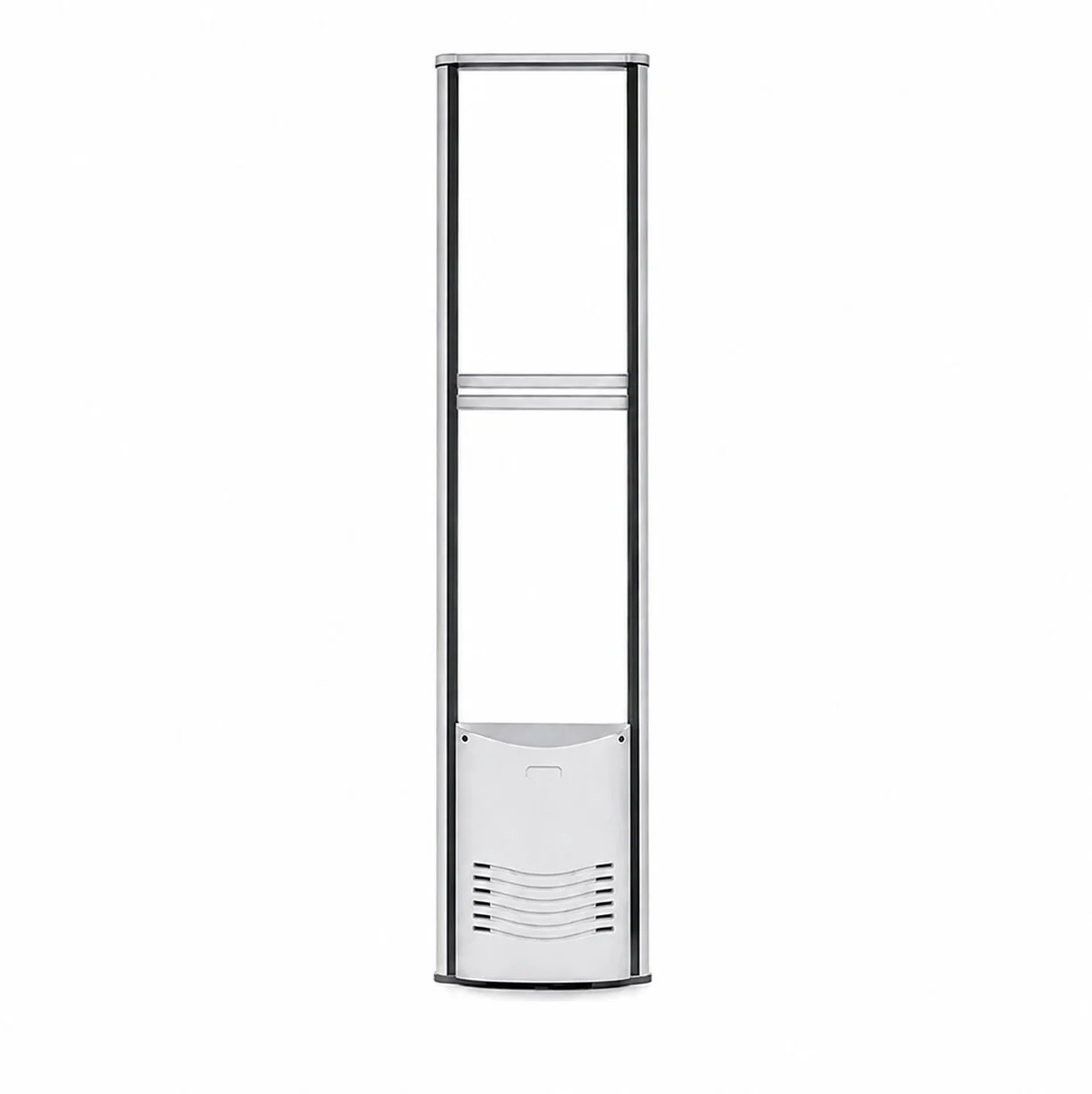
Bring AM 58KHz detection to your entrance with the Century Classic Primary Post Transceiver, a new pedestal built on the latest DSP technology and advanced software algorithms. It accurately distinguishes label signals from environmental noise, delivering superior detection with strong resistance to interference, and secures entryways up to 6 feet wide. The Classic works with all AM 58KHz security tags and is designed for professional installation.
Key Features
AM 58KHz technology: Works with all AM 58KHz security tags.
6 foot coverage: Long range detection secures entryways up to 6 feet wide.
Latest DSP processing: Powerful signal processing separates tag signals from environmental noise for higher accuracy.
Interference resistance: Optimized to minimize interference while maintaining strong, consistent detection.
New condition: Sleek, durable design built for long term use.
Professional installation required: Designed for expert setup and seamless operation.
Quantity: 1 new pedestal with power supply
Dimensions: 61 × 15.5 × 5 in
Product Code: C2001-1 Classic Primary Post Transceiver, AM 58KHz, New